
Mission
Provide a collaborative and learning environment to inspire, develop, test, and refine new tools and training methods that enhance law enforcement’s capability to adapt and win against drug trafficking organizations.
Where a problem law enforcement faces, in the field or in the classroom, becomes a tool, a trainer or a process that works.
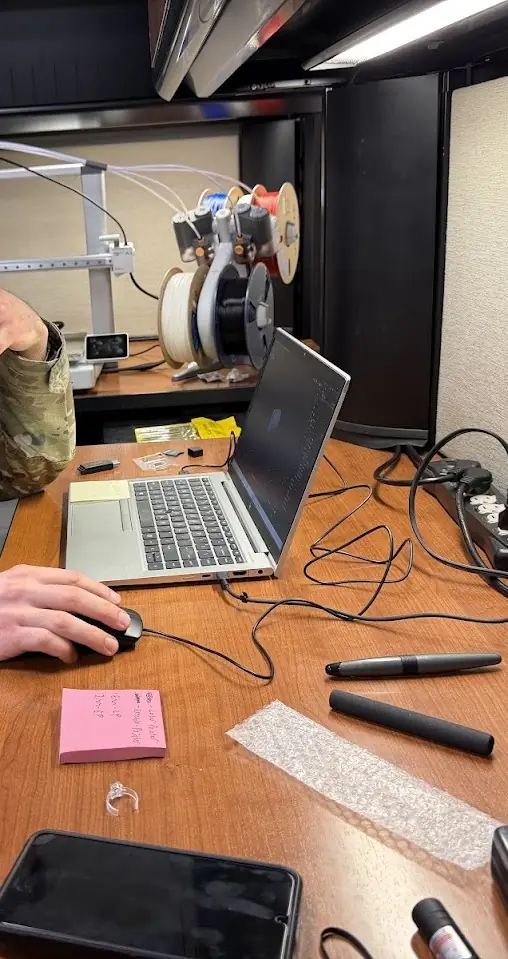
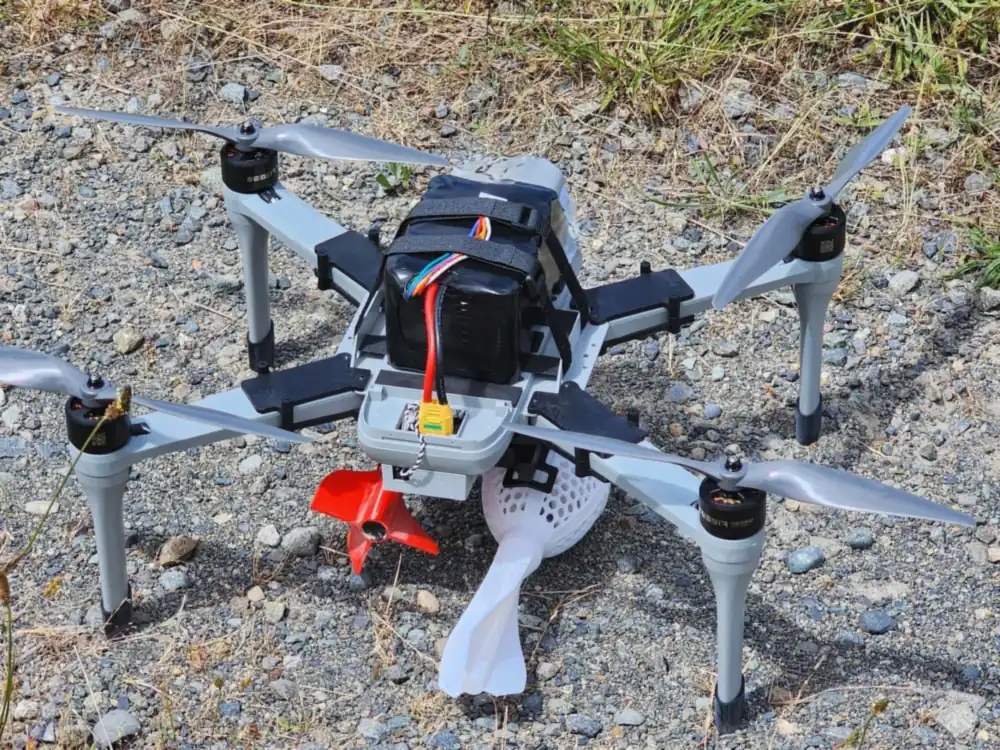
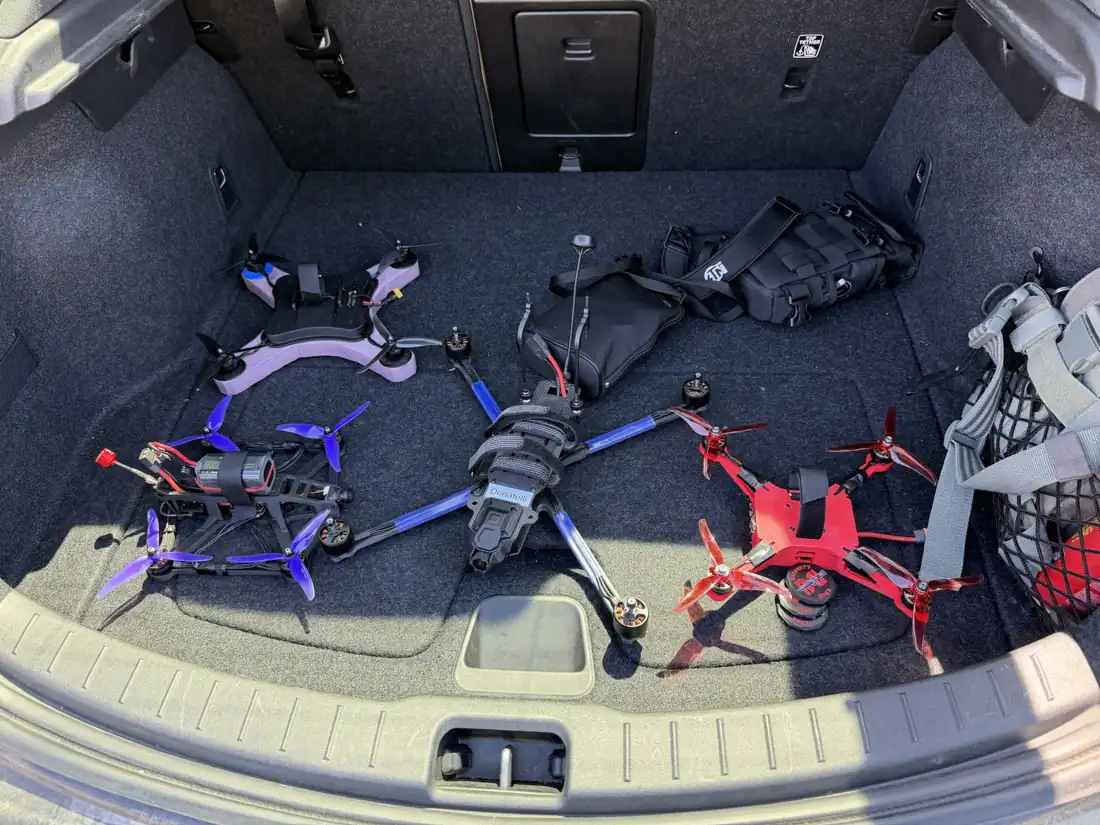
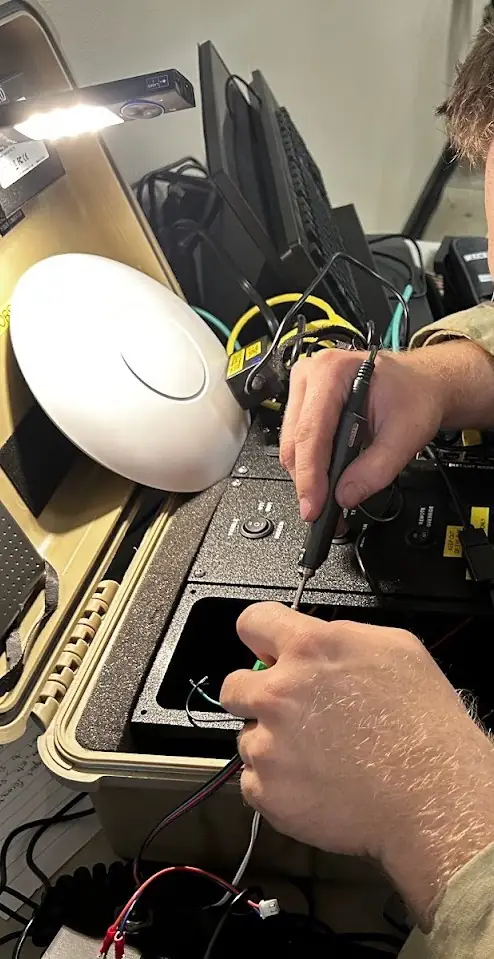
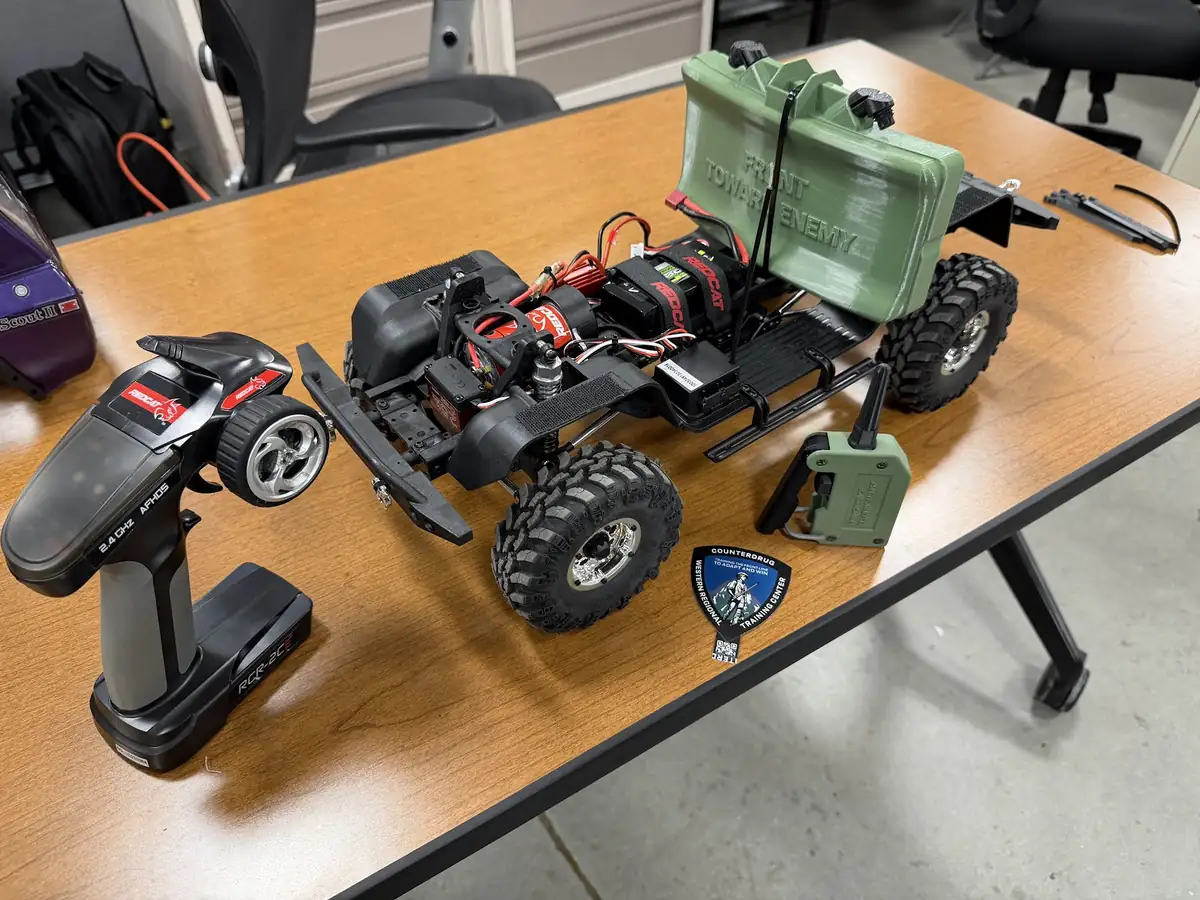
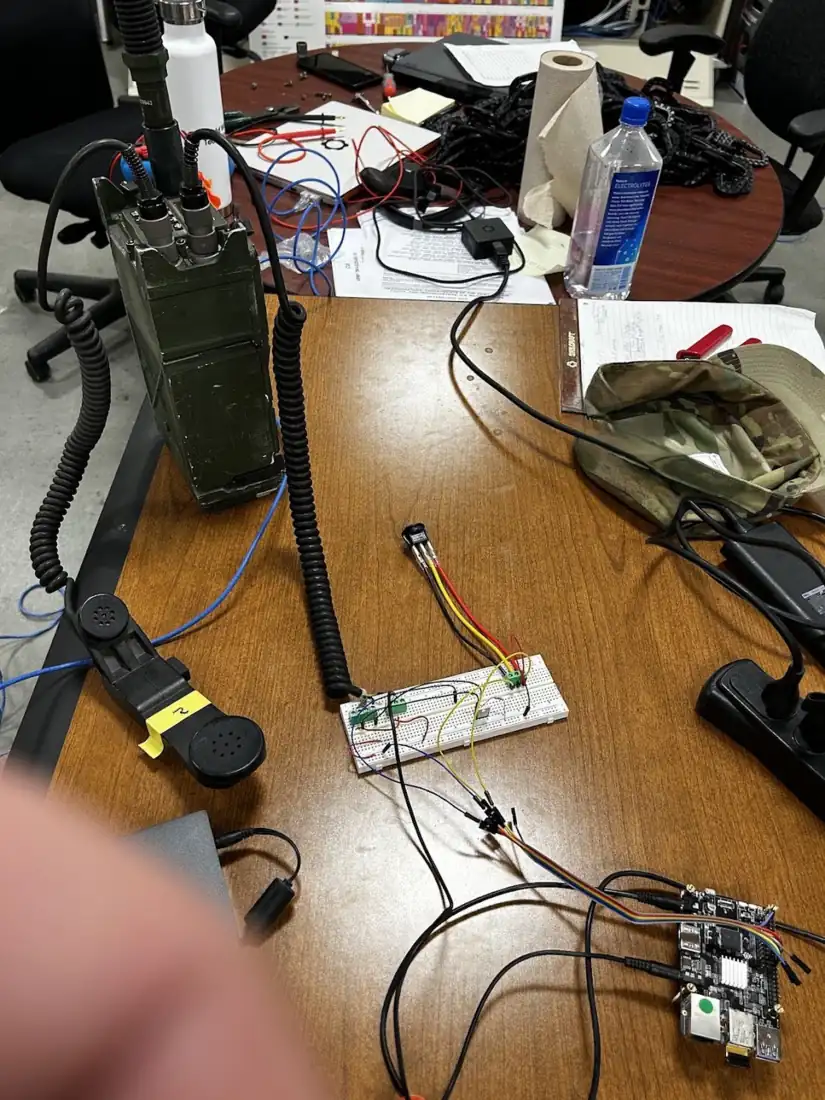
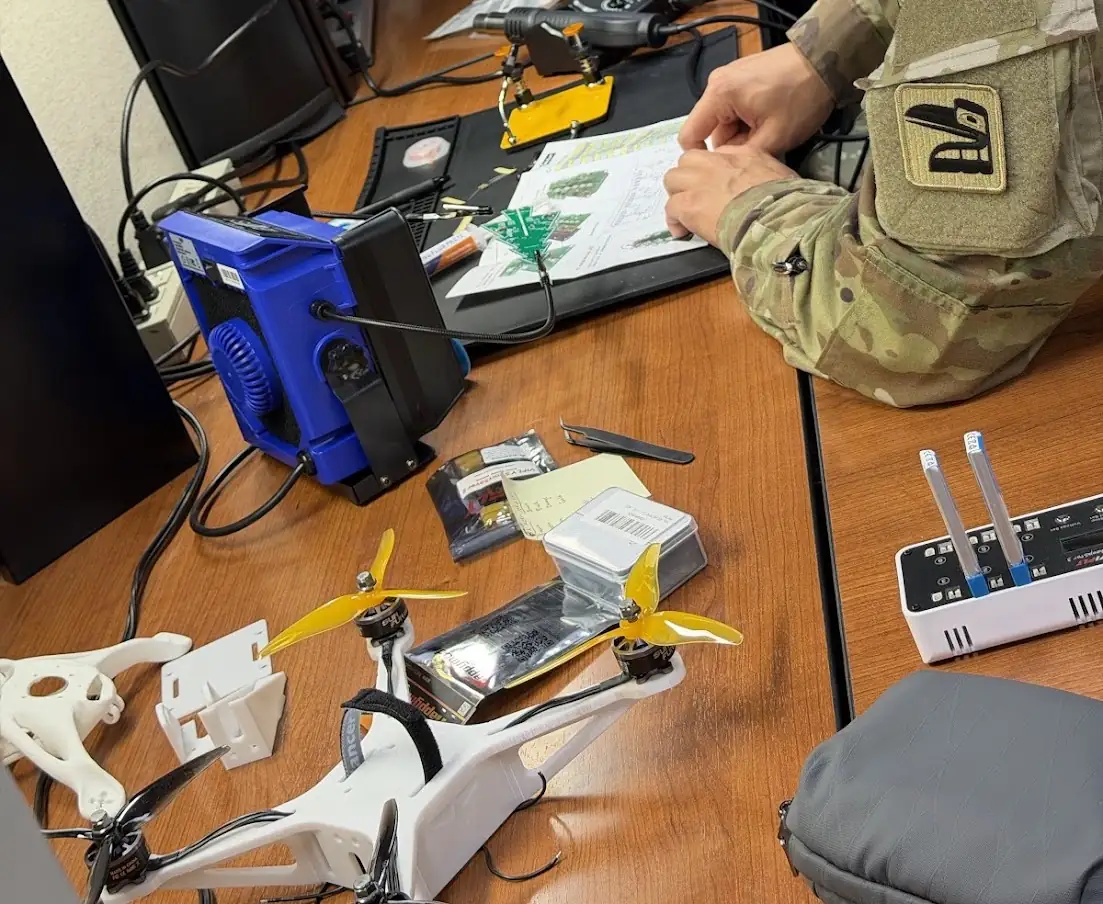
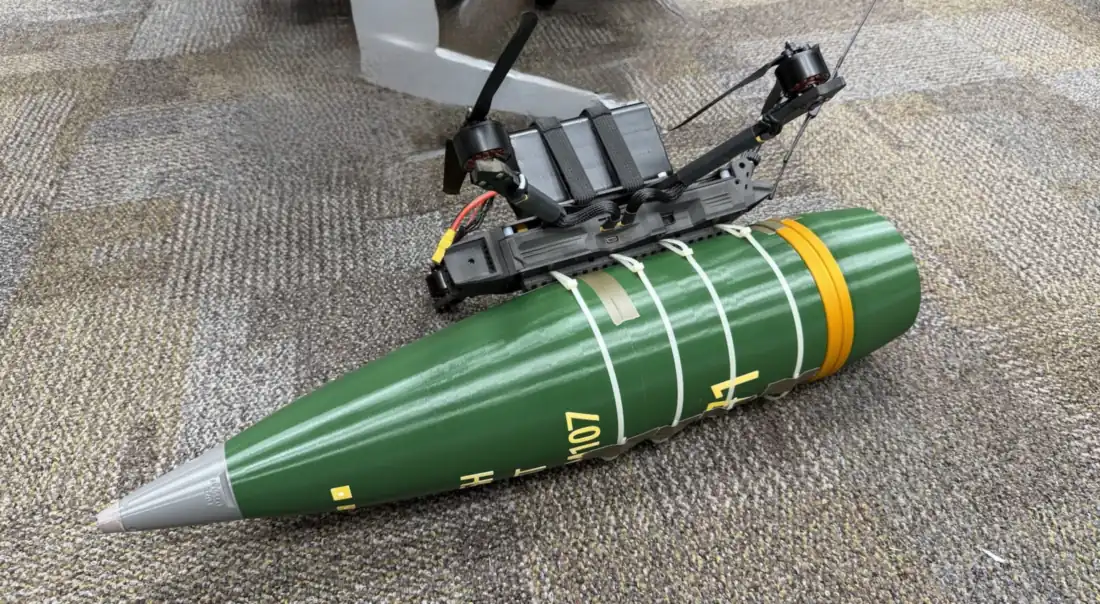
The WRCTC Mission Advancement Lab (MAL) is a joint Army and Air National Guard innovation lab at the Western Regional Counterdrug Training Center. It helps law enforcement turn the problems they face into tools, trainers, scripts and processes that work.
Officers, investigators, task forces and WRCTC instructors bring the problem and judge the result. Soldiers and Airmen certified on each equipment family do the building, and every project runs through the same five-phase process, SWIFT, developed at the MAL.
Officers, investigators, task forces and WRCTC instructors bring the problem and judge the result. Soldiers and Airmen certified on each equipment family do the building, and every project runs through the same five-phase process, SWIFT, developed at the MAL.
Adapt faster, win smarter.
Provide a collaborative and learning environment to inspire, develop, test, and refine new tools and training methods that enhance law enforcement’s capability to adapt and win against drug trafficking organizations.
Leverage the talent, access, and resources of the Counterdrug Program to accelerate learning and solutions, so the WRCTC provides cutting-edge training to law enforcement.
Courses are only one place problems show up. If law enforcement is running into a counternarcotics problem that a tool, a trainer or a better process could fix, it belongs here.
Training aids and procedures for hazards that come with drug cases, from exposure awareness to decontamination line sequencing and casualty care trainers.
Hands-on familiarity with the small drones trafficking organizations are adopting: inert training airframes, recognition practice and realistic scenario props.
Mounts, cases, adapters and replacement parts designed and printed to keep equipment working where off-the-shelf options fall short.
Scripts, templates and checklists that cut repetitive paperwork and make case and evidence workflows faster and more consistent.
Replica lab apparatus, mock evidence, terrain models and scenario props that let officers rehearse before they face the real thing.
Recorded after-action reviews, short training videos and photo sets so what one team learns reaches the next one.
Support is provided within the authorities of the National Guard Counterdrug Program.
Five phases, the same for a 3D-printed training aid, a field fix or a new workflow. Each step is cheap, reversible and instrumented, so ideas are drawn before they are built and tested before they are fielded.
Generate the idea: state the problem.
Draw the blueprint before building.
Rapid prototyping and beta testing.
Evaluate in a relevant environment.
Scale and hand off for integration.
If you are a law enforcement officer, investigator, task force member or WRCTC instructor facing a problem, especially one with a counterdrug nexus, every project starts the same way: with a clear statement of the problem.
What is getting in the way, where it shows up, and who feels it.
A few sentences is enough. Photos or sketches help.
We will work out the blueprint with you before anything is built.